
Middle East disruption could cut global oil demand 20% and gas 10% by 2050 as energy security drives
LONDON/HOUSTON/SINGAPORE, April 08, 2026 (GLOBE NEWSWIRE) -- INSIGHT FOR IMMEDIATE RELEASE
Wood Mackenzie | www.woodmac.com
LONDON/HOUSTON/SINGAPORE, April 8, 2026 – Prolonged disruption to Middle East energy supplies could accelerate a structural shift in global energy systems, halving oil and gas import dependence by 2050 and reducing oil demand by 20% and gas demand by 10% relative to the base case. As countries prioritise energy security, demand is increasingly met through electrification, renewables, coal and nuclear, while reliance on globally traded fuels declines, according to Wood Mackenzie.
However, this shift comes with trade-offs. Energy systems become more domestic and diversified, but also more costly, while near-term emissions rise due to increased coal use before converging with the base case over the longer term. These findings are based on a new conflict scenario from Wood Mackenzie, part of its Lens Energy Transition Scenarios, which explores how sustained geopolitical instability could reshape global energy demand, supply and investment through 2050.
Crisis-driven disruption, long-term transformation
The scenario assumes a major geopolitical escalation beginning in early 2026, disrupting 15–20% of global oil and LNG supply. In the near term, oil demand falls by around 9% due to supply outages before recovering to pre-crisis levels by 2030, Wood Mackenzie noted.
Beyond 2030, structural shifts take hold as countries accelerate efforts to reduce reliance on imported fuels. Oil and gas demand declines more rapidly than in the base case, as governments prioritise domestic and diversified energy systems.
“Geopolitical crises can act as powerful catalysts for long-term system change,” said Prakash Sharma, Vice President, Scenarios & Technologies at Wood Mackenzie. “In this scenario, the world moves decisively towards energy independence, with lasting implications for global fuel demand and trade.”
Electrification and efficiency at the core
Electrification and efficiency emerge as the primary pathways to energy independence. Overall power demand remains broadly in line with the base case, as lower demand from electrolytic hydrogen production is offset by wider electrification across transport, buildings and industry.
This shift reduces reliance on imported fuels while maintaining overall energy service demand.
A rebalanced energy mix
By 2050, the global energy mix shifts significantly under the conflict scenario:
- Oil demand falls 20% and gas 10%, while coal rises 20% as countries diversify supply and prioritise domestic resources
- Nuclear generation increases 40% above the base case, with both conventional and next-generation technologies scaling from the 2030s
- Renewables continue rapid expansion, forming the backbone of domestic power systems
- Hydrogen and carbon capture adoption declines, as policymakers favour more efficient and secure energy pathways
“Energy systems become more local, more diversified and less reliant on complex international trade,” said Jom Madan, Principal Analyst, Scenarios & Technologies. “Electrification and nuclear take priority, while hydrogen and carbon capture are deprioritised due to cost, efficiency and security considerations.”
Near-term coal, long-term nuclear
Coal plays a larger role in the near term as countries respond to supply shocks by maximising domestic energy sources and delaying plant retirements. Over the longer term, nuclear expands significantly, providing stable, fuel-secure baseload power as new capacity comes online from the 2030s.
Gas-fired power and hydrogen-based abatement pathways are scaled back as energy systems favour more secure and proven alternatives.
Security comes at a cost
The shift towards energy independence comes with higher system costs, as countries move away from globally optimised supply chains towards domestic production and diversified sourcing.
“Energy independence reduces exposure to external shocks, but it comes at a structural cost premium,” said Lindsey Entwistle, Principal Analyst, Scenarios & Technologies. “This creates new competitiveness challenges for energy-intensive industries, while advantaging more self-sufficient regions.”
Climate outcomes converge
Despite diverging pathways, cumulative emissions under the conflict scenario remain broadly aligned with Wood Mackenzie’s base case, tracking a 2.6°C warming trajectory. While emissions rise in the near term due to increased coal use, these are offset over time by stronger electrification and nuclear deployment.
“The scenario reaches a similar emissions outcome through a different route,” Sharma concluded. “It reflects a trade-off between near-term energy security and long-term decarbonisation, with countries ultimately relying on proven, domestically controlled technologies.”
-ENDS-
For further information please contact Wood Mackenzie’s media relations team:
Chris Boba
+44 7408 841129
Chris.Boba@woodmac.com
Mark Thomton
+1 630 881 6885
Mark.thomton@woodmac.com
Hla Myat Mon
+65 8533 8860
hla.myatmon@woodmac.com
Angelica Juarez
angelica.juarez@woodmac.com
You have received this news release from Wood Mackenzie because of the details we hold about you. If the information we have is incorrect you can either provide your updated preferences by contacting our media relations team. If you do not wish to receive this type of email in the future, please reply with 'unsubscribe' in the subject header.
About Wood Mackenzie:
Wood Mackenzie is the global leader in analytics, insights and proprietary data across the entire energy and natural resources landscape. For over 50 years our work has guided the decisions of the world’s most influential energy producers, utilities companies, financial institutions and governments. Now, with the world’s energy system more complex and interconnected than ever before, sector-specific views are no longer enough. That’s why we’ve redefined what’s possible with Intelligence Connected: the fusion of our unparalleled proprietary data with the sharpest analytical minds, all supercharged by Synoptic AI, to deliver a clear, interconnected view of the entire value chain. Our trusted team of 2,700 experts across 30 countries breaks siloes and connects industries, markets and regions across the globe to empower our customers to identify risk sooner, spot opportunity faster and make every decision with complete confidence.
For more information, visit www.woodmac.com
Chris Boba
Wood Mackenzie
6308816885
chris.boba@woodmac.com

Chris Boba
WoodMac
07408 841129

- 抢占千亿近视防控赛道!贝贝乐PBM-LED招商启动,邀您共拓财富蓝海!
- 智能体革命:文明演进与组织重构的双重变奏 ——读《用听话的AI降本增效:100个应用场景》有感
- NTT DATA在IDC MarketScape中被评为全球云专业服务领导者
- 临商银行龙潭支行多措并举推进反诈行动落到实处
- 中国平安2023年实现归母营运利润1,179.89亿元 现金分红连续12年保持增长 寿险业务重回升势 新业务价值同比大增36.2%
- 在线交易经纪商Taurex推出新应用程序,让每个人都能轻松交易
- 2024年青少年食品安全与营养健康科普教育活动首站落地泰州
- 自强不息,挑战“卡脖子”瓶颈:中国替奈普酶的自主研发之路
- 汉王友基亮相德国IFA2025,展示全球数字绘写创新解决方案
- 电影《林深见渡》在张家口宣化八佰里影业风影片场开机
- SS2026北京时装周邂逅玫瑰:合玉坊演绎东方优雅新章
- 万纬物流举行万店配华南产品发布会 加速推动全国化布局
- GMO供应商必读指南:全面解读嘉德乐的应用革新与供应保障
- 张柏芝出席戴比尔斯晚宴 举手投足间尽显优雅
- 科力屋PLC-Ai轨迹感应器:毫米波雷达完美融入面板,PLC加持满足后装市场
- 2025深圳脑博会启幕,打造脑科学产研融合创新策源平台——深圳抢滩万亿级脑机产业新赛道
- PLATO发布修订版ANSI/PLATO FL 1标准,推出行业首个Turbo / Boost亮度测量标准
- CIBF2025 深圳启幕,高能数造成焦点引领行业新变革
- 宁波摩尔加斯贸易有限公司获多项权威认证,以诚信实力赢得市场认可
- 林业和草原碳足迹创新联盟“碳排放 ‘十五五’ 规划编制沙龙”会议顺利召开
推荐
-
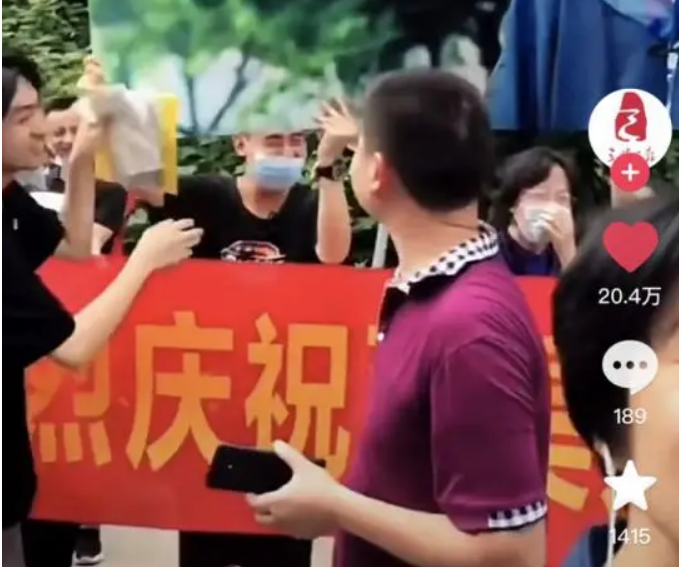 一个“江浙沪人家的孩子已经不卷学习了”的新闻引发议论纷纷
星标★
来源:桌子的生活观(ID:zzdshg)
没
资讯
一个“江浙沪人家的孩子已经不卷学习了”的新闻引发议论纷纷
星标★
来源:桌子的生活观(ID:zzdshg)
没
资讯
-
 王自如被强制执行3383万
据中国执行信息公开网消息,近期,王自如新增一
资讯
王自如被强制执行3383万
据中国执行信息公开网消息,近期,王自如新增一
资讯
-
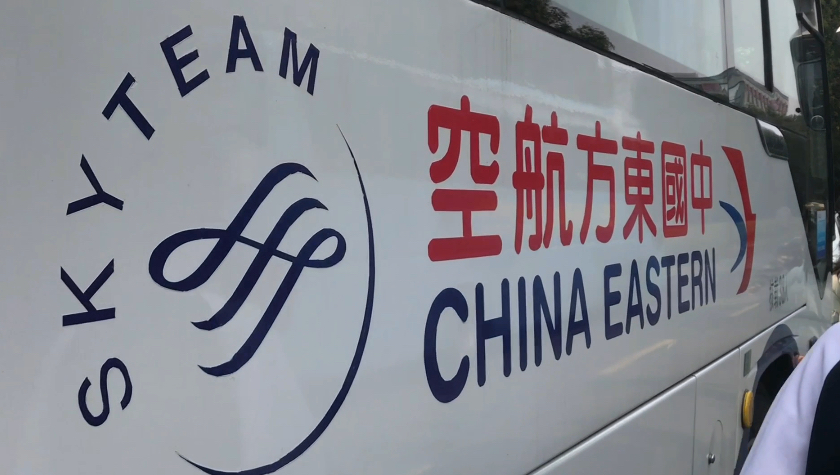 男子“机闹”后航班取消,同机旅客准备集体起诉
1月4日,一男子大闹飞机致航班取消的新闻登上
资讯
男子“机闹”后航班取消,同机旅客准备集体起诉
1月4日,一男子大闹飞机致航班取消的新闻登上
资讯
-
 中央气象台连发四则气象灾害预警
暴雪橙色预警+冰冻橙色预警+大雾黄色预警+
资讯
中央气象台连发四则气象灾害预警
暴雪橙色预警+冰冻橙色预警+大雾黄色预警+
资讯
-
 大家一起关注新疆乌什7.1级地震救援见闻
看到热气腾腾的抓饭马上就要出锅、村里大家
资讯
大家一起关注新疆乌什7.1级地震救援见闻
看到热气腾腾的抓饭马上就要出锅、村里大家
资讯
-
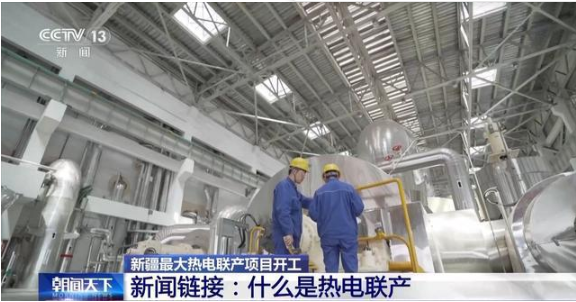 新增供热能力3200万平方米 新疆最大热电联产项目开工
昨天(26日),新疆最大的热电联产项目—&md
资讯
新增供热能力3200万平方米 新疆最大热电联产项目开工
昨天(26日),新疆最大的热电联产项目—&md
资讯
-
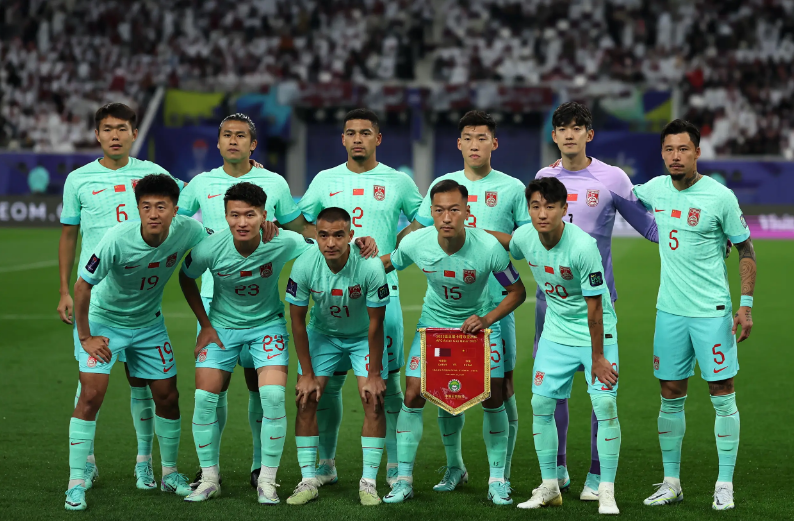 国足13次出战亚洲杯首次小组赛0进球
北京时间1月23日消息,2023亚洲杯小组
资讯
国足13次出战亚洲杯首次小组赛0进球
北京时间1月23日消息,2023亚洲杯小组
资讯
-
 看新东方创始人俞敏洪如何回应董宇辉新号分流的?
(来源:中国证券报)
东方甄选净利润大幅下滑
资讯
看新东方创始人俞敏洪如何回应董宇辉新号分流的?
(来源:中国证券报)
东方甄选净利润大幅下滑
资讯
-
 海南大学生返校机票贵 有什么好的解决办法吗?
近日,有网友在“人民网领导留言板&rdqu
资讯
海南大学生返校机票贵 有什么好的解决办法吗?
近日,有网友在“人民网领导留言板&rdqu
资讯
-
 奥运冠军刘翔更新社交账号晒出近照 时隔473天更新动态!
2月20日凌晨2点,奥运冠军刘翔更新社交账号晒
资讯
奥运冠军刘翔更新社交账号晒出近照 时隔473天更新动态!
2月20日凌晨2点,奥运冠军刘翔更新社交账号晒
资讯